thunder
hrom, hřmění, hřmot
hřmět, dunět, burácet
- Top 5000
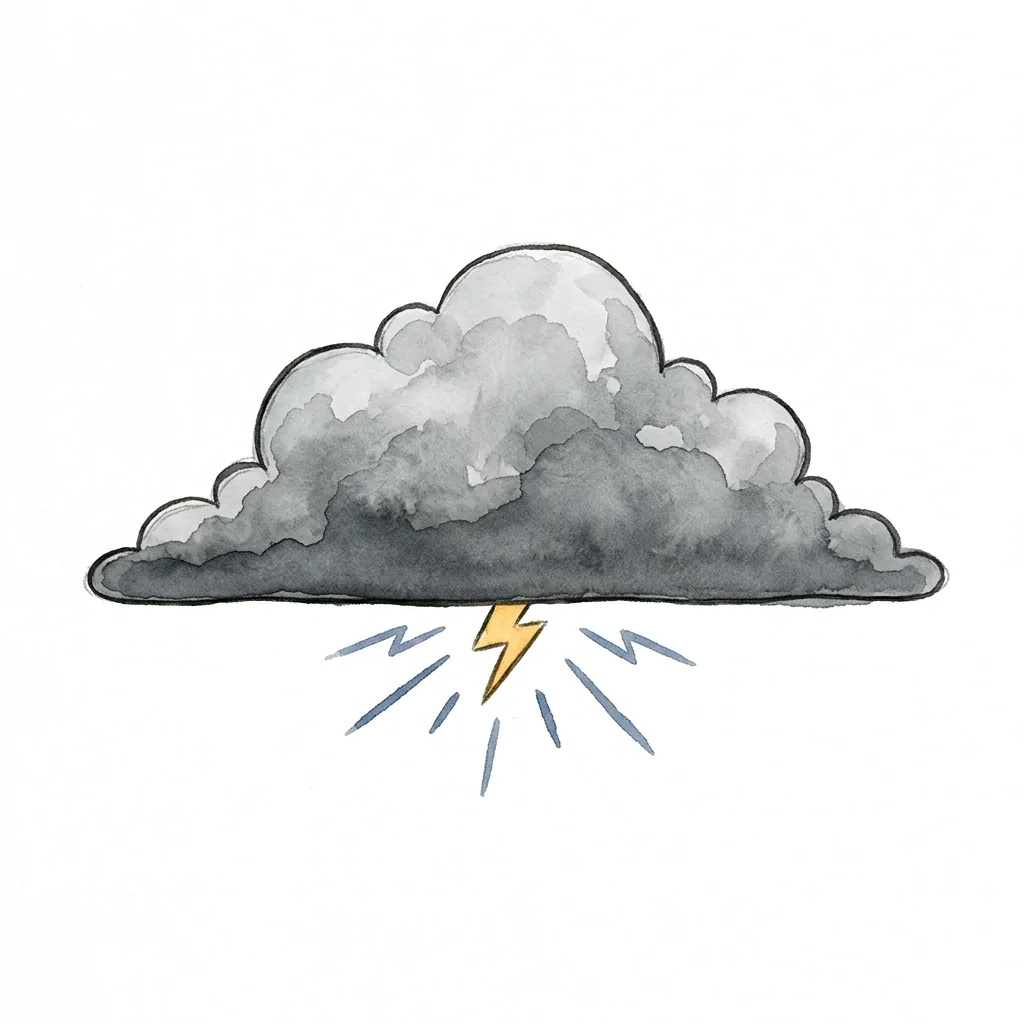
Význam 1
hrom, hřmění, hřmot (o podobném dunivém zvuku)
- podstatné jméno
- B1
the loud deep noise that you hear in the sky after a flash of lightning
hlasitý temný zvuk, který se ozve na obloze po blesku
The thunder woke the baby just after midnight.
Hrom vzbudil miminko krátce po půlnoci.
We counted the seconds between the lightning and the thunder.
Počítali jsme vteřiny mezi bleskem a hromem.
Our dog hides under the bed whenever he hears thunder.
Náš pes se schová pod postel, kdykoli slyší hrom.
Distant thunder rolled across the valley as we packed up.
Zatímco jsme balili, údolím se valilo vzdálené hřmění.
Časté spojení: a clap of thunder · a rumble of thunder · thunder and lightning · distant thunder · thunder rolls
Patří do: Počasí
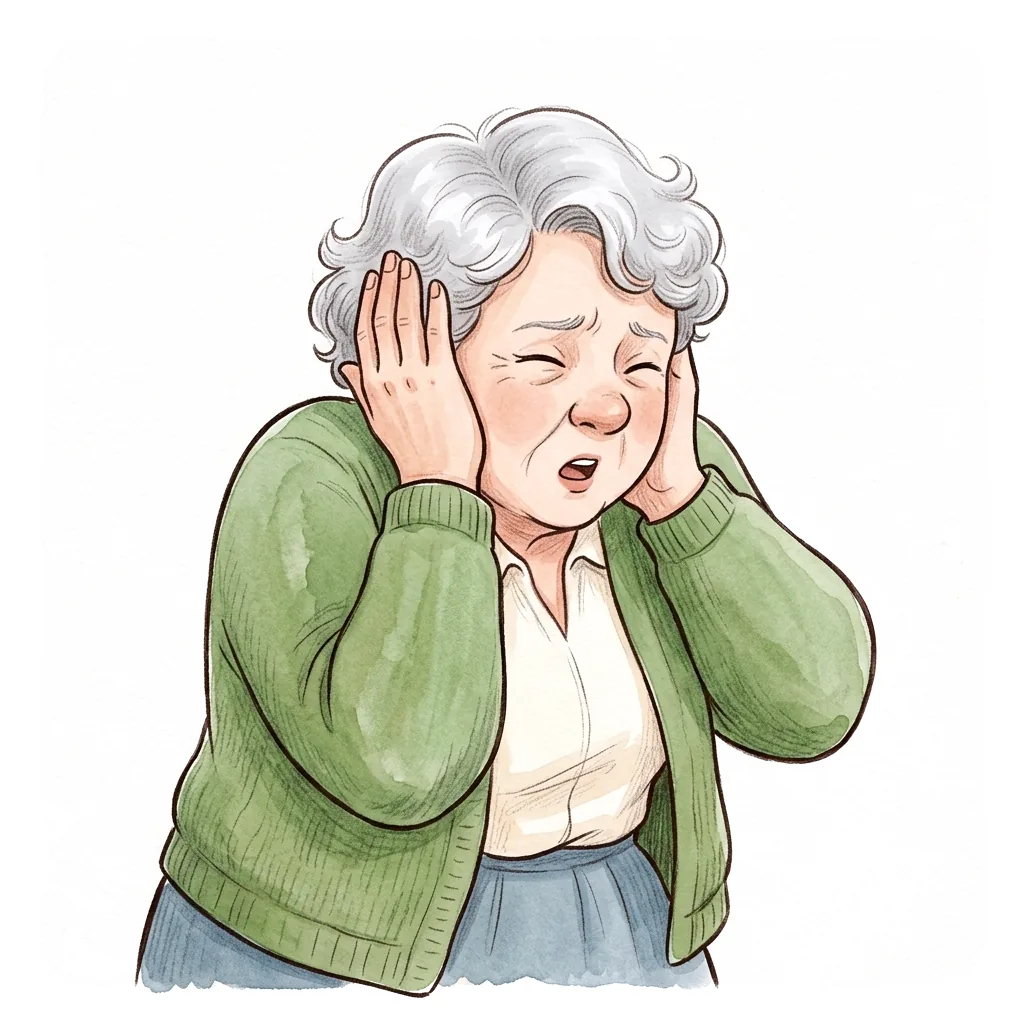
Význam 2 · méně častý
hřmět, dunět, burácet
- sloveso
- B2
to make the loud deep noise that comes after lightning, or a noise very much like it
vydávat hluboký dunivý zvuk jako po blesku, nebo zvuk jemu podobný
It thundered all evening, but no rain ever came.
Celý večer hřmělo, ale déšť nakonec nepřišel.
The train thundered past the platform without slowing down.
Vlak s duněním prosvištěl kolem nástupiště, aniž by zpomalil.
It started to thunder while we were still on the lake.
Začalo hřmět, když jsme byli ještě na jezeře.
Časté spojení: it thundered · thunder past · thunder along · thunder overhead
Patří do: Počasí
Jak se to používá
thunder se počítat nedá — neřekne se a thunder ani thunders. Jedno zahřmění je a clap of thunder nebo a rumble of thunder. Když hřmí, angličtina často použije sloveso s it: it thundered all night.
Pozor, falešný přítel
Česky se běžně řekne „uhodil hrom", i když mluvíme o blesku. Anglicky je thunder **jen ten zvuk**; to, co je vidět a co uhodí do stromu, je lightning.